
The base rule: 1 metre
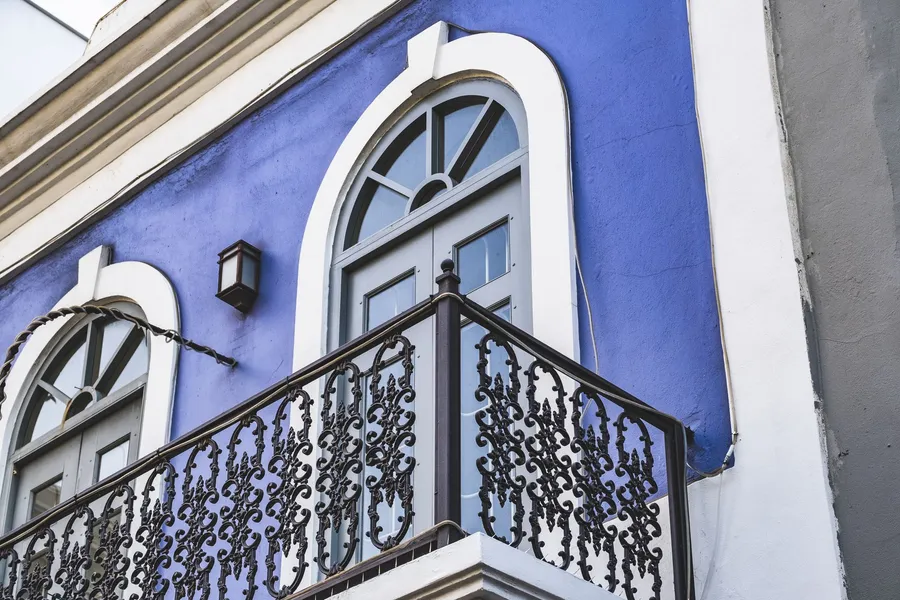
For a balcony, terrace, gallery or loggia, the minimum guardrail height is 1m, measured from the finished floor. That's the reference to use in the vast majority of cases — a height designed to prevent tipping over the structure, not just to visually discourage.
The 0.80m exception: a precise case, not a general option
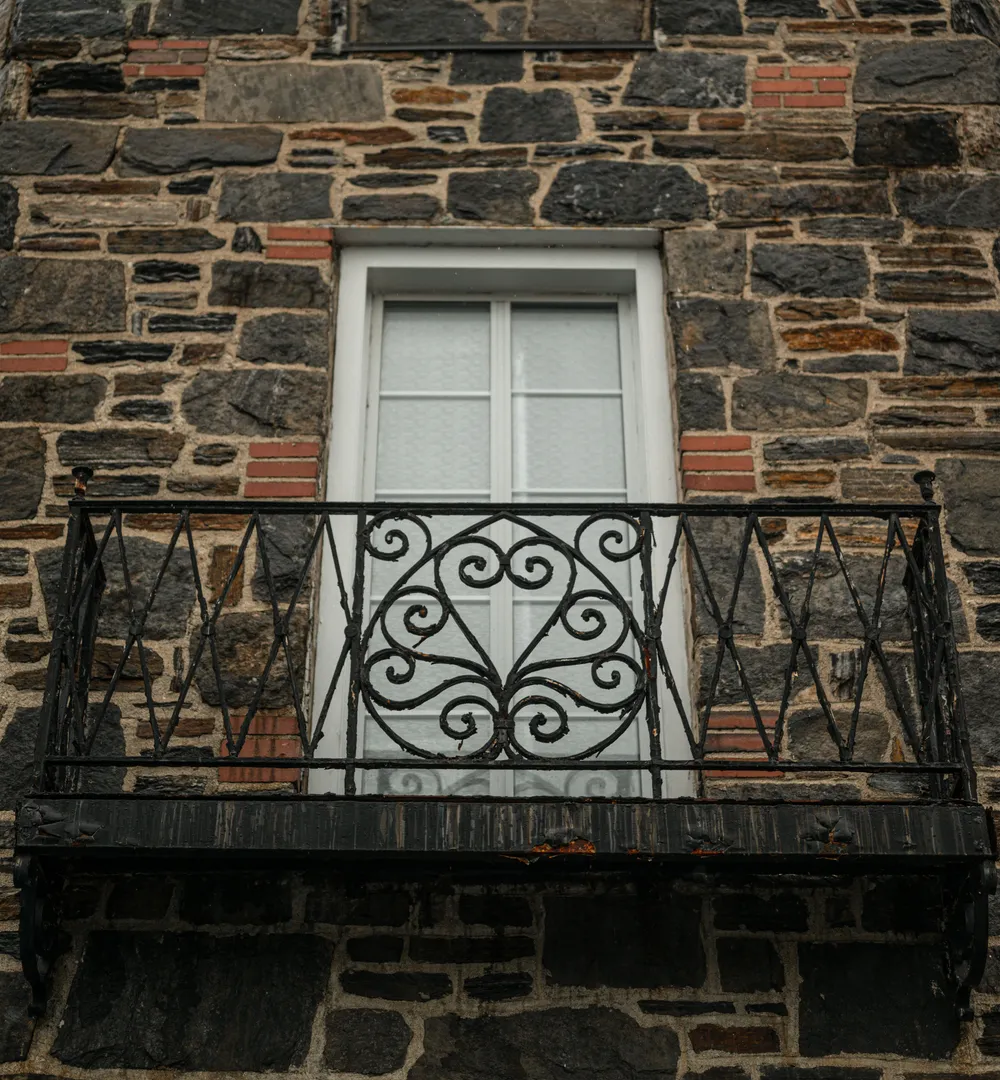
A tolerance exists: the height can drop to 0.80m, but only if the guardrail itself is a massive element over 50cm thick — for example a low wall incorporating a planter. This exception follows a simple logic: an element that thick mechanically reduces the tipping risk even at a lower height. For a classic wrought-iron guardrail (balusters, slender posts), this exception practically never applies — 1m remains the reference to use.
When does the requirement kick in?
A guardrail becomes mandatory once the fall height exceeds 1m, or the ground slope exceeds 45°. A level terrace, with no significant drop relative to the surrounding ground, generally isn't affected — but an upper-floor balcony, even a modest one, almost always is once it overlooks a drop of more than a metre.
Spacing: the same logic as a staircase
Once the height is set, infill spacing follows the same rules as a staircase: 11cm maximum for vertical balusters over the full height, and for a horizontal rail, under 11cm in the anti-climb zone (the first 45cm), up to 18cm above that. See our standards and safety page for the full detail.
Why outdoor exposure changes things beyond height
Beyond sizing, a balcony or terrace guardrail faces a constraint an indoor stair guardrail doesn't: direct weather exposure. That's why an outdoor structure is systematically hot-dip galvanized before powder coating — see our dedicated article on galvanizing and powder coating.
Frequently asked questions
My terrace is only raised 60cm, do I need a guardrail?
The trigger threshold is a fall height over 1m. At 60cm, the regulatory requirement generally doesn't apply, but a guardrail is still worth considering for safety depending on the setting (children present, for example).
Can I go down to 0.80m for aesthetic reasons?
No, unless the guardrail itself is a massive element over 50cm thick — a precise technical exception, not a free aesthetic choice.
Does the height change if the balcony is in a co-owned building?
Height and spacing rules stay the same; in a co-owned building, extra administrative steps (approval from the managing agent or general meeting) may apply depending on the building's bylaws.